Understanding and Responding to Alcohol Misuse in First Responders: A Chaplain’s Role
Chaplains are often the first trusted point of contact when a first responder is struggling with alcohol misuse — long before formal clinical support is sought.
This session focuses on the unique challenges chaplains face when supporting first responders navigating substance use, trauma, and recovery. Through targeted psychoeducation and facilitated roundtable discussion, participants will gain practical tools to better understand what they are seeing, how to respond in the moment, and how to support both the responder and their family system.
Participants will learn how to:
Recognize early indicators of alcohol misuse in first responders
Respond effectively when someone discloses concern or asks for help
Navigate high-risk or crisis situations while understanding their role and limits
Support reintegration and ongoing recovery in a way that preserves dignity and connection
This training emphasizes real-world conversations, cultural realities of first responder life, and the critical role chaplains play in early intervention and ongoing support.
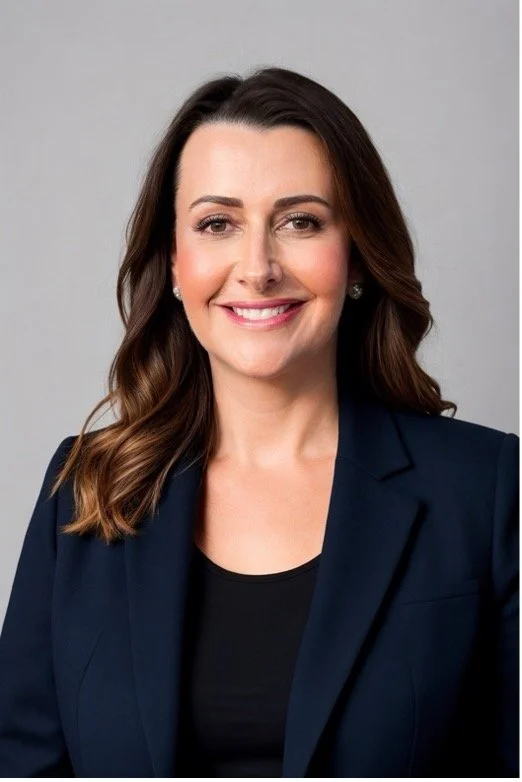
Rebecca Allanson, M.A., LPC, LAC, CCTP-II is a licensed clinician, national trainer, and former law enforcement officer with over 18 years of experience in policing and more than 10 years providing specialized behavioral health care to first responders.
As both a Licensed Professional Counselor and Licensed Addiction Counselor, she brings advanced clinical expertise in substance use, misuse, and addiction, with a focus on how these issues uniquely present within first responder populations.
Rebecca is the founder of The Badge Group, a behavioral health organization dedicated to serving high-risk professions through clinical services, consultation, and training. She has worked with over 1,000 first responders in clinical settings and has facilitated more than 50 critical incident debriefings following line-of-duty deaths, mass casualty incidents, and agency-level crises.
Her work bridges the gap between clinical best practices and the operational realities of first responder culture. She integrates neuroscience, trauma-informed care, and culturally competent approaches to deliver practical, immediately applicable strategies.
Rebecca also brings lived experience in long-term recovery, offering a perspective that resonates deeply with those navigating substance misuse and recovery within high-performance environments.